.jpg)
What You Need to Know About Home Inspection Services
- Foresight Home Inspections
- Dec 8, 2025
- 4 min read

When buying or selling a home, understanding the condition of the property is crucial. Comprehensive property inspections provide a detailed evaluation of a house’s structure, systems, and overall safety. This process helps buyers make informed decisions and sellers address potential issues before listing. Knowing what to expect from these inspections can save you time, money, and stress.
Why Comprehensive Property Inspections Matter
A comprehensive property inspection goes beyond a simple walkthrough. It involves a thorough examination of the home’s key components, including the foundation, roof, electrical systems, plumbing, HVAC, and more. This detailed approach uncovers hidden problems that might not be visible during a casual visit.
For example, a roof might look fine from the ground, but an inspection can reveal damaged shingles or leaks. Similarly, electrical wiring might be outdated or unsafe, posing a fire risk. Identifying these issues early allows buyers to negotiate repairs or price adjustments, and sellers to fix problems that could delay or derail a sale.
Key benefits of comprehensive inspections include:
Peace of mind: Knowing the true condition of the property.
Financial protection: Avoiding unexpected repair costs.
Negotiation leverage: Using inspection results to negotiate better terms.
Safety assurance: Ensuring the home is safe for occupants.

What to Expect During a Comprehensive Property Inspection
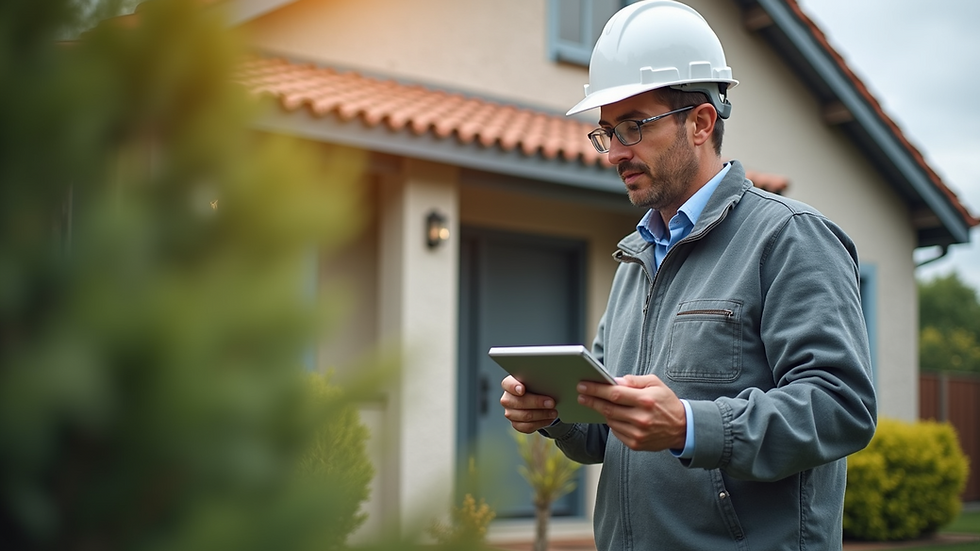
A typical inspection lasts between 2 to 4 hours, depending on the size and age of the home. The inspector will assess both the interior and exterior, checking for structural integrity, system functionality, and safety hazards.
Here’s a breakdown of what inspectors usually evaluate:
Foundation and Structure: Checking for cracks, settling, or water damage.
Roof and Gutters: Inspecting shingles, flashing, and drainage.
Plumbing System: Testing water pressure, looking for leaks, and examining pipes.
Electrical System: Verifying wiring, outlets, and circuit breakers.
Heating and Cooling: Assessing HVAC units for efficiency and condition.
Interior Components: Doors, windows, walls, ceilings, and floors.
Insulation and Ventilation: Ensuring proper airflow and energy efficiency.
Appliances: Testing built-in appliances for functionality.
After the inspection, you will receive a detailed report with photos and recommendations. This report is a valuable tool for making decisions about repairs or negotiations.
How to Choose the Right Inspection Service
Selecting a qualified inspector is essential for a reliable assessment. Here are some tips to help you find the best service:
Check credentials: Look for certifications from recognized organizations.
Read reviews: Customer feedback can reveal the inspector’s professionalism and thoroughness.
Ask about experience: Inspectors familiar with local building codes and common issues are preferable.
Request sample reports: Reviewing a sample report helps you understand the level of detail provided.
Compare prices: While cost is important, don’t sacrifice quality for a lower price.
Using home inspection services from a reputable company ensures you get a comprehensive and accurate evaluation.
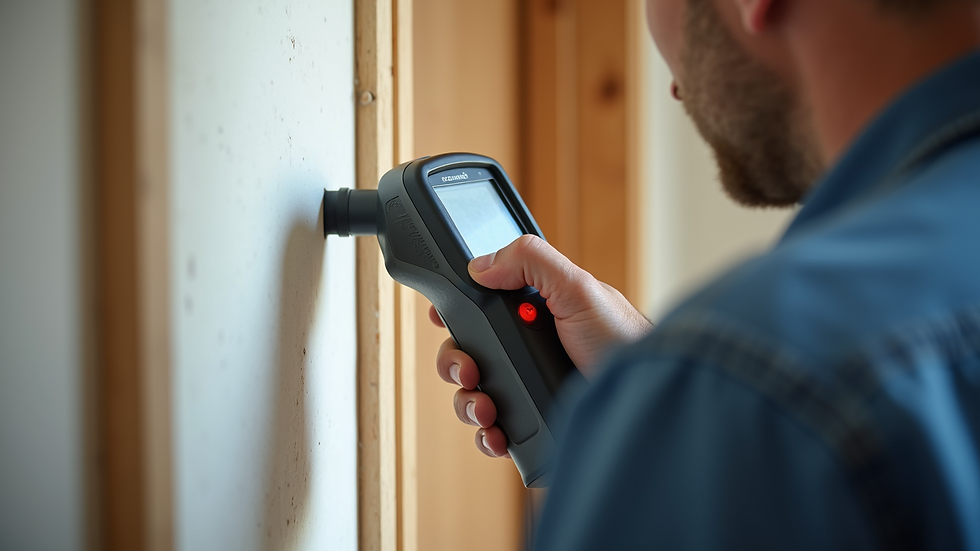
Common Issues Found in Property Inspections
Many homes have hidden problems that only a thorough inspection can reveal. Some of the most common issues include:
Roof damage: Missing shingles, leaks, or poor drainage.
Foundation cracks: Indicating settling or structural problems.
Plumbing leaks: Causing water damage or mold growth.
Electrical hazards: Outdated wiring or overloaded circuits.
HVAC problems: Inefficient or malfunctioning heating and cooling systems.
Pest infestations: Termites or rodents damaging the structure.
Poor insulation: Leading to high energy bills and discomfort.
Being aware of these potential problems helps buyers prepare for repairs or negotiate better deals. Sellers can also address these issues beforehand to increase their home’s market value.
Tips for Preparing Your Home for an Inspection
If you’re selling a home, preparing for an inspection can make the process smoother and improve the outcome. Here are some practical steps:
Clean and declutter: Make it easier for the inspector to access all areas.
Fix minor repairs: Patch holes, replace burnt-out bulbs, and fix dripping faucets.
Ensure utilities are on: Water, electricity, and gas should be operational.
Provide access: Unlock gates, doors, and attics.
Clear gutters and drains: Prevent water-related issues.
Test smoke detectors: Ensure safety devices are working.
These actions demonstrate that the home has been well cared for and can help avoid surprises during the inspection.
Understanding the Inspection Report and Next Steps
After the inspection, the report will outline all findings, often categorized by severity. It’s important to review this document carefully and ask questions if anything is unclear.
Here’s how to use the report effectively:
Prioritize repairs: Focus on safety and structural issues first.
Get repair estimates: Understand the cost of fixing problems.
Negotiate with the seller or buyer: Use the report to request repairs or price adjustments.
Plan for future maintenance: Some issues may not require immediate action but should be monitored.
Remember, an inspection report is a tool to help you make informed decisions, not a reason to cancel a deal outright unless major problems exist.
Final Thoughts on Comprehensive Property Inspections
Comprehensive property inspections are a vital part of the home buying and selling process. They provide detailed insights into a property’s condition, helping all parties make smarter decisions. Whether you are a first-time buyer or an experienced seller, investing in a thorough inspection can save you from costly surprises and give you confidence in your real estate transaction.
Taking the time to understand what inspections cover, how to prepare, and how to use the results will empower you throughout the process. For reliable and professional evaluations, consider trusted home inspection services that specialize in comprehensive property inspections.
By prioritizing these inspections, you protect your investment and ensure a safer, more comfortable home for years to come.


Comments